How to Buy Your First Property in Dubai: A Comprehensive Guide
Buying your first home is a transformative experience, but doing it in a global metropolis like Dubai adds a layer of prestige and complexity. As of late 2025, the city remains a magnet for global talent and capital, but the gold rush has evolved into a sophisticated, regulated market. For a first-time homebuyer in Dubai, success depends on moving beyond the glossy brochures and understanding the structural mechanics of the Dubai real estate market.
At Havenstone Properties, we specialize in turning the complexity of the Dubai property market trends into a seamless, high-value journey for our clients. Whether you are looking for affordable housing in Dubai or a high-yield investment, this guide provides the in-depth blueprint you need to succeed in 2026.
Overview of Dubai Real Estate Market
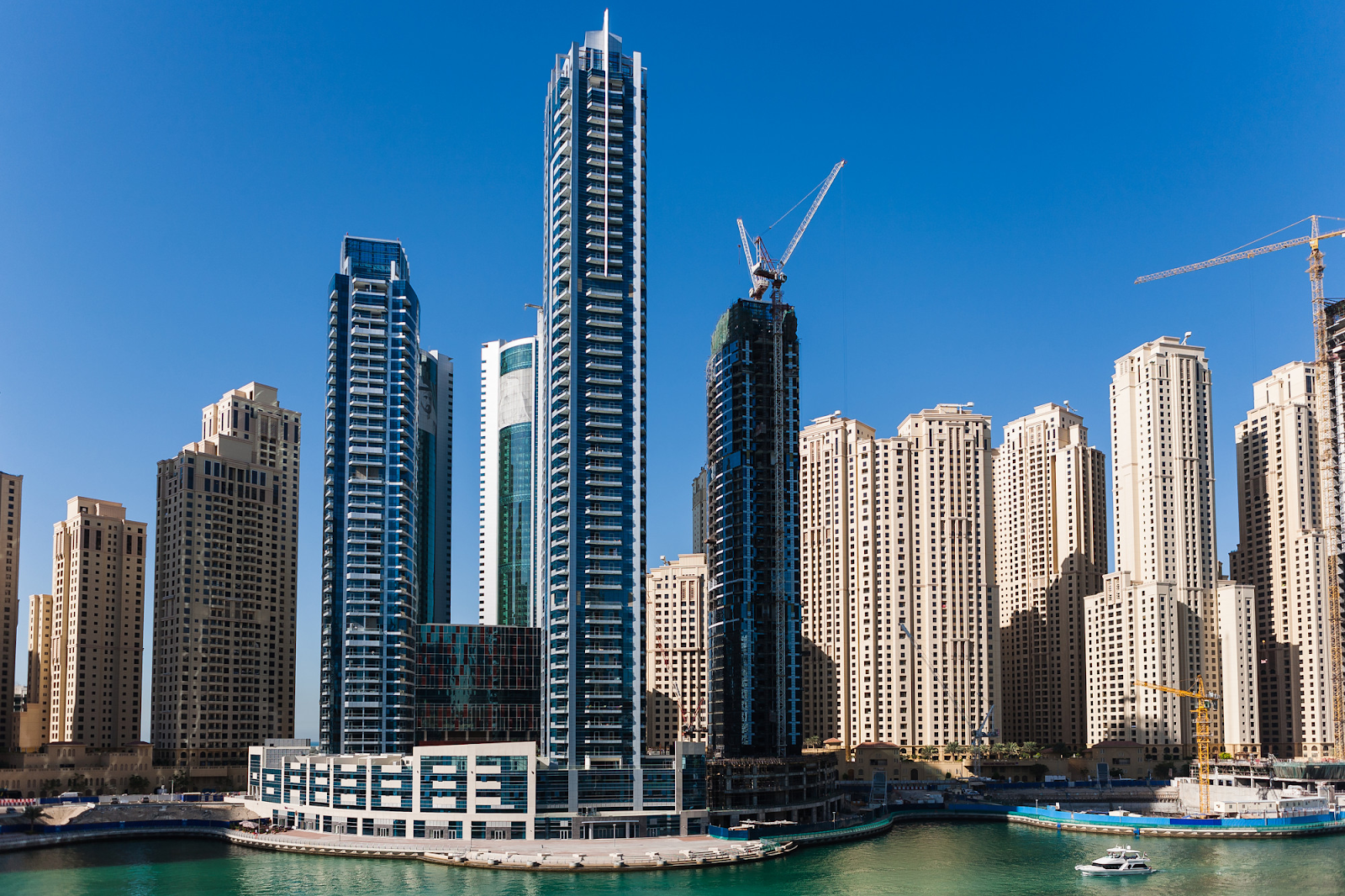
The current market is entering a phase of Sustainable Maturity. While 2024 saw record-breaking surges, Dubai property market trends for 2026 suggest a more balanced environment. Supply is finally catching up with the huge demand of residents, which is good news for property buyers—it means more options and more scope for negotiation.
Current Market Statistics:
- Transaction Volume: Over 120,000 new units are expected to be handed over by the end of 2026.
- Price Forecast: Experts predict a modest appreciation of 2–5% in prime areas, while non-prime areas may see a healthy stabilization.
- Rental Yields: Dubai continues to lead globally with gross rental yields ranging from 6.5% to 9%, significantly higher than London or New York.
Navigating Dubai Property Laws for Foreigners

The legal framework is the backbone of your investment. Dubai was the first emirate to allow foreigners to own property, but this is restricted to specific zones. When Investing in Dubai Real Estate, understanding these boundaries ensures your capital is placed in high-growth, legally protected areas.
- Freehold vs. Leasehold: As a first-time buyer, you should focus on Freehold areas. Here, you own the property and the land indefinitely. Leasehold, by contrast, is a long-term lease (usually 99 years).
- The Golden Visa Factor: In 2026, the Golden Visa remains a primary driver. Investing AED 2 million or more in property (ready or off-plan) qualifies you for a 10-year residency, providing long-term security for your family.
- RERA Protections: Every developer and broker must be registered with the Real Estate Regulatory Agency (RERA). Before you transfer a single Dirham, ensure your agent is licensed and your funds are going into a government-supervised Escrow Account.
Financing Options: Dubai Mortgage Options in 2026
For many, buying property in Dubai involves a mortgage. The UAE Central Bank has clear guidelines on Loan-to-Value (LTV) ratios for first-time buyers.
The Financial Blueprint:
- Resident Expats: Can typically borrow up to 80% LTV for their first property. This means you need a 20% down payment.
- Non-Residents: Usually capped at 50% to 60% LTV, requiring a larger initial capital outlay.
- Current Rates: Mortgage rates in late 2025 are hovering between 3.8% and 5.2% for fixed terms.
Pro Tip: Don't forget the "Hidden Costs." Budget an additional 7% of the property price to cover the Dubai Land Department (DLD) fee (4%), agent commission (2%), and admin fees.
Off-Plan vs. Ready Property Dilemma
A pivotal decision for any first-time buyer in 2026 is choosing between a move-in-ready home and an off-plan investment. Ready properties offer the immediate gratification of what you see is what you get, along with the ability to generate rental income from day one. This is often the preferred route for those looking to exit the rental cycle themselves. However, the off-plan market in Dubai has become exceptionally sophisticated, offering staggered payment plans that can span several years, sometimes even extending past the handover date. These post-handover payment plans act as an interest-free quasi-mortgage, making luxury real estate accessible to those who may not want to commit to a traditional bank loan immediately.
Furthermore, buying off-plan allows you to capture the capital appreciation delta—the increase in value from the initial ground-breaking to the final completion. In high-growth corridors like Dubai South or The Oasis, purchasing at the launch price can result in a 15–20% equity gain by the time you receive the keys. At Havenstone Properties, we emphasize the importance of developer reputation in this sector. Stick to Tier 1 developers with proven track records to ensure that your home of the future meets the construction standards and delivery timelines promised in those glossy brochures.
Sustainability and the Smart Home Premium
As we progress through 2026, the definition of prime real estate in Dubai is shifting toward sustainability and technological integration. The Dubai 2040 Urban Master Plan has catalyzed a green revolution, meaning properties with LEED certification or high green ratings are no longer just outliers—they are becoming the gold standard for resale value. For a first-time buyer, prioritizing energy-efficient homes can lead to a 20–30% reduction in cooling and DEWA costs, which significantly impacts your long-term net ROI. Buyers are increasingly looking for Passive House designs, solar-integrated roofing, and smart-grid technology that allows for remote climate control and automated energy management.
Beyond the environmental impact, these Smart Communities offer a superior lifestyle that attracts high-quality tenants. Neighborhoods that prioritize walkability, expansive green canopies, and integrated AI-driven security systems are seeing lower vacancy rates and higher price resilience compared to older, traditional developments. When touring villas or apartments, ask about the building’s Smart Rating and waste management systems. Investing in a future-proofed, sustainable asset today ensures that your property remains competitive in a market that is rapidly outdating older, inefficient builds. By aligning your purchase with Dubai’s vision for a greener future, you aren't just buying a home; you are securing a high-tech asset that will remain relevant for decades.
Choosing the Right Neighborhood: Where to Buy
The best area depends on whether you are buying for "Lifestyle" or "ROI."
Best Neighborhoods in Dubai for First-Time Buyers:
- Jumeirah Village Circle (JVC): The champion of affordable housing in Dubai. Perfect for young professionals and small families, offering yields up to 8%.
- Dubai South: The strategic pick for 2026. Proximity to Al Maktoum International Airport makes this a high-growth zone for capital appreciation.
- Dubai Hills Estate: A master-planned community that balances luxury with practicality. It’s highly sought after by families due to its schools and parks.
- Al Furjan: Excellent for those who value connectivity, as it’s directly on the Metro line.
Step-by-Step Process to Buy First Property in Dubai
To ensure a smooth transaction, follow this chronological path:
- Selection & Offer: Once you find a property, your agent will help you negotiate the price.
- Signing the MOU (Form F): This is the official contract between buyer and seller. You will typically pay a 10% security deposit at this stage.
- Applying for the NOC: The developer issues a No Objection Certificate, confirming that all service charges are paid and the property is clear for sale.
- Ownership Transfer: Both parties meet at a DLD Trustee office. The buyer provides the remaining balance via a manager’s cheque, and the DLD issues a new Title Deed in your name.
Common Mistakes to Avoid
- Buying for "Today" only: Think about the resale value. Properties near Metro stations or major malls hold their value significantly better.
- Ignoring Service Charges: High-end amenities come with high maintenance fees. Always check the Service Charge Index on the Dubai REST app before committing.
- Over-leveraging: While property investment in Dubai is lucrative, ensure your mortgage payments don't exceed 35% of your monthly income.
Conclusion: Take the Leap with Havenstone Properties
Buying property in Dubai is a milestone that can set you up for life. The market is transparent, the yields are world-class, and the lifestyle is unmatched. However, the difference between a "good buy" and a "life-changing investment" is the expert advice you receive.
At Havenstone Properties, we don't just find houses; we secure futures. Our RERA-certified team is ready to provide you with the latest real estate tips in Dubai to make your first purchase a resounding success.
FAQ
Q: Can a foreigner buy property anywhere in Dubai?
A: No, foreigners can only buy in designated "Freehold" areas.
Q: What is the minimum down payment for a mortgage?
A: For resident expats, it is usually 20% of the property value.
Q: Is there property tax in Dubai?
A: No, there is no annual property tax, but there is a one-time 4% DLD transfer fee.