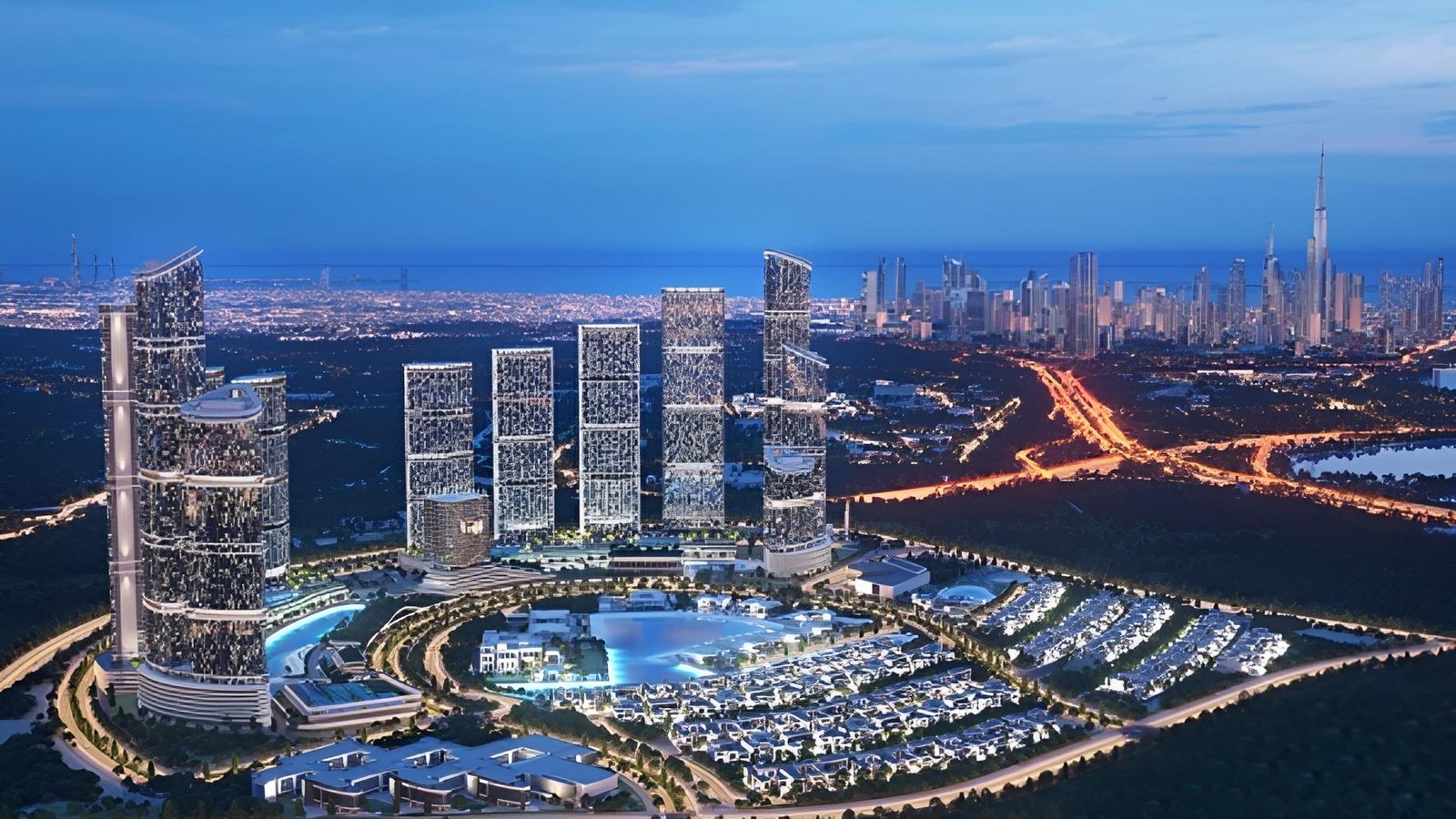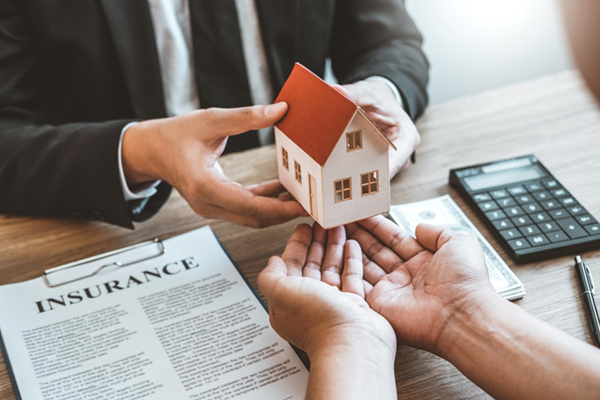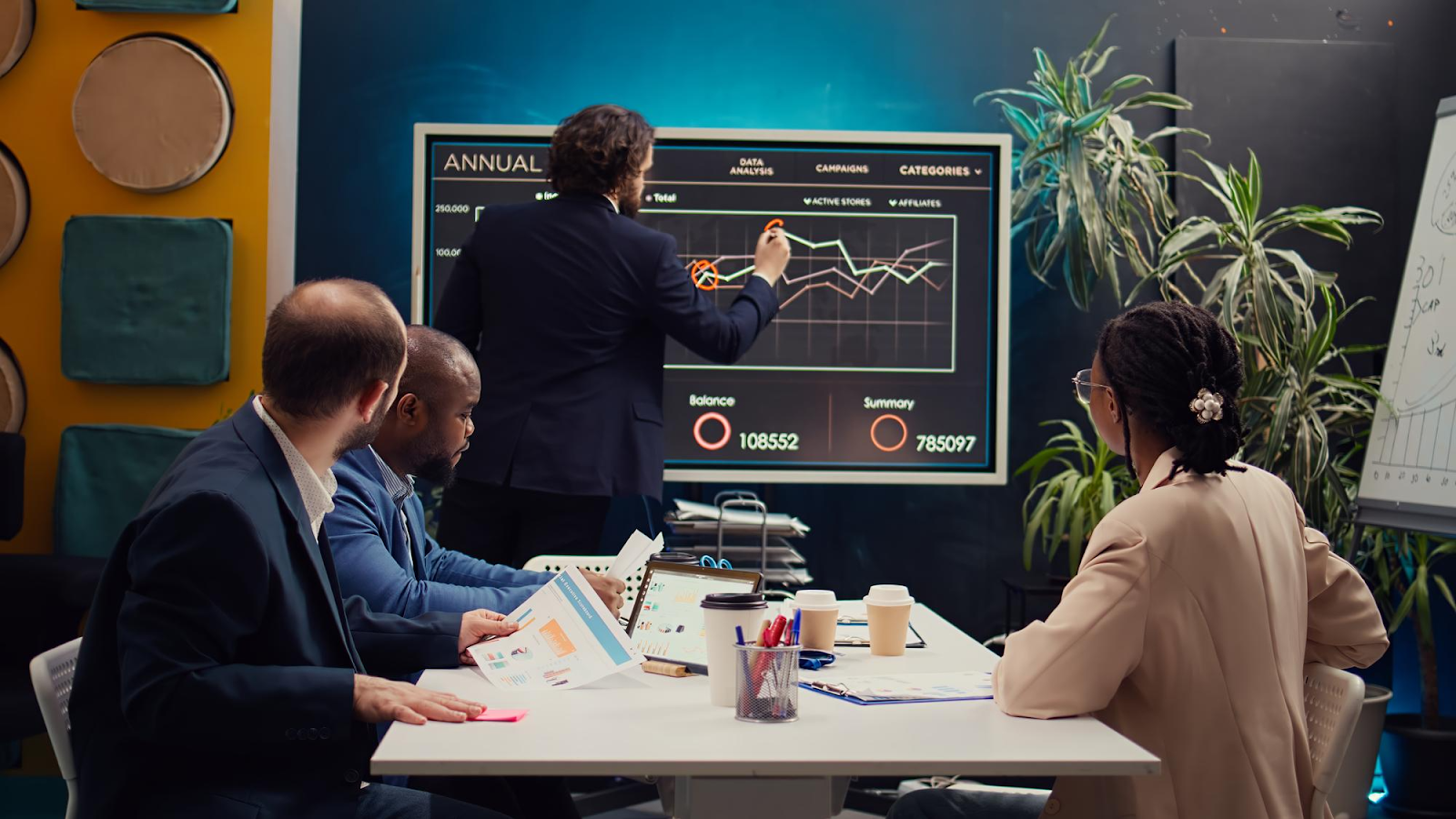
As we move through 2026, the Dubai real estate market has officially transitioned from a period of hyper-growth to a sophisticated phase of structural maturity. While the double-digit price hikes of 2023 and 2024 have normalized, the market remains firmly positive, supported by a population that has now surpassed the 4 million mark.
Unlike previous cycles, the growth we are seeing in 2026 is driven by end-users and long-term residents rather than short-term speculators. With the Dubai 2040 Urban Master Plan in full swing and the Dubai Economic Agenda (D33) doubling the size of the economy, the city is no longer just a holiday destination—it is a global capital for wealth preservation and lifestyle.
Why Dubai is the World’s Leading Investment Hub in 2026
Investors in 2026 are no longer asking if they should buy in Dubai, but where. Several macro-economic factors have created a safety net for property values:
The Golden Visa as a Market Anchor
The UAE’s residency reforms have reached a tipping point. In 2026, the majority of property buyers are seeking long-term stability. The Golden Visa has decoupled the real estate market from global oil price fluctuations, creating a consistent floor for demand in the secondary market.
Global Capital Flight to Safety
With economic volatility in Europe and shifting tax landscapes in North America, Dubai’s tax-free environment remains an irresistible magnet. In 2026, we are seeing a record number of family offices and institutional investors shifting their portfolios from traditional hubs like London and New York to Dubai’s high-yield residential sector.
Jumeirah Village Circle (JVC): High-Yield Powerhouse
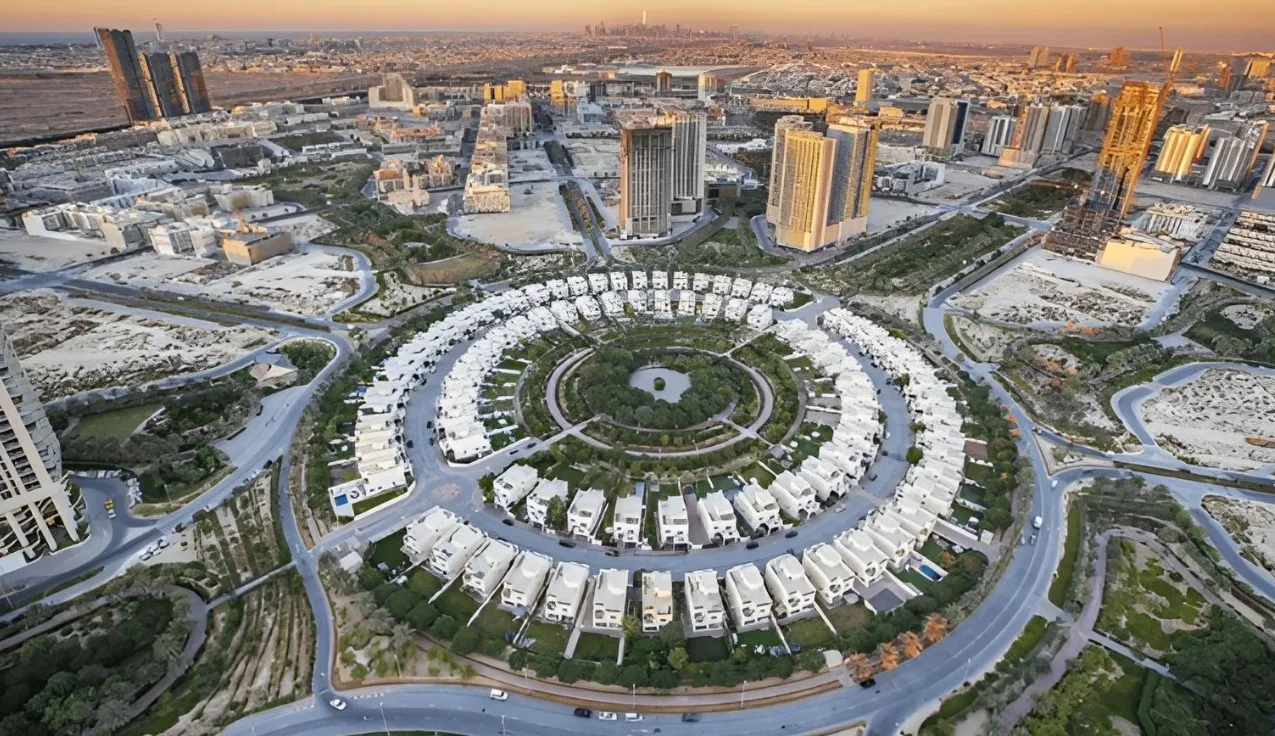
Jumeirah Village Circle (JVC) continues its streak as the most transacted community in Dubai. In 2026, it is no longer considered an emerging area but a core residential hub.
Transaction Dominance and Price Appreciation
Data from the first half of 2026 shows JVC leading in volume yet again. The community has seen a 7–10% capital appreciation over the last year, driven by the completion of several premium boutique developments that have raised the area's overall standard of living.
Unrivaled Rental Yields for 2026
For investors prioritizing cash flow, JVC remains the ROI King
- Studios & 1-Beds: Yielding between 7.5% and 8.5% net.
- Family Townhouses: Yielding approximately 6.5%. The demand is fueled by the mid-market shift, where professionals working in Business Bay and Dubai Marina seek better value without sacrificing amenities.
Al Furjan: Connectivity Winner
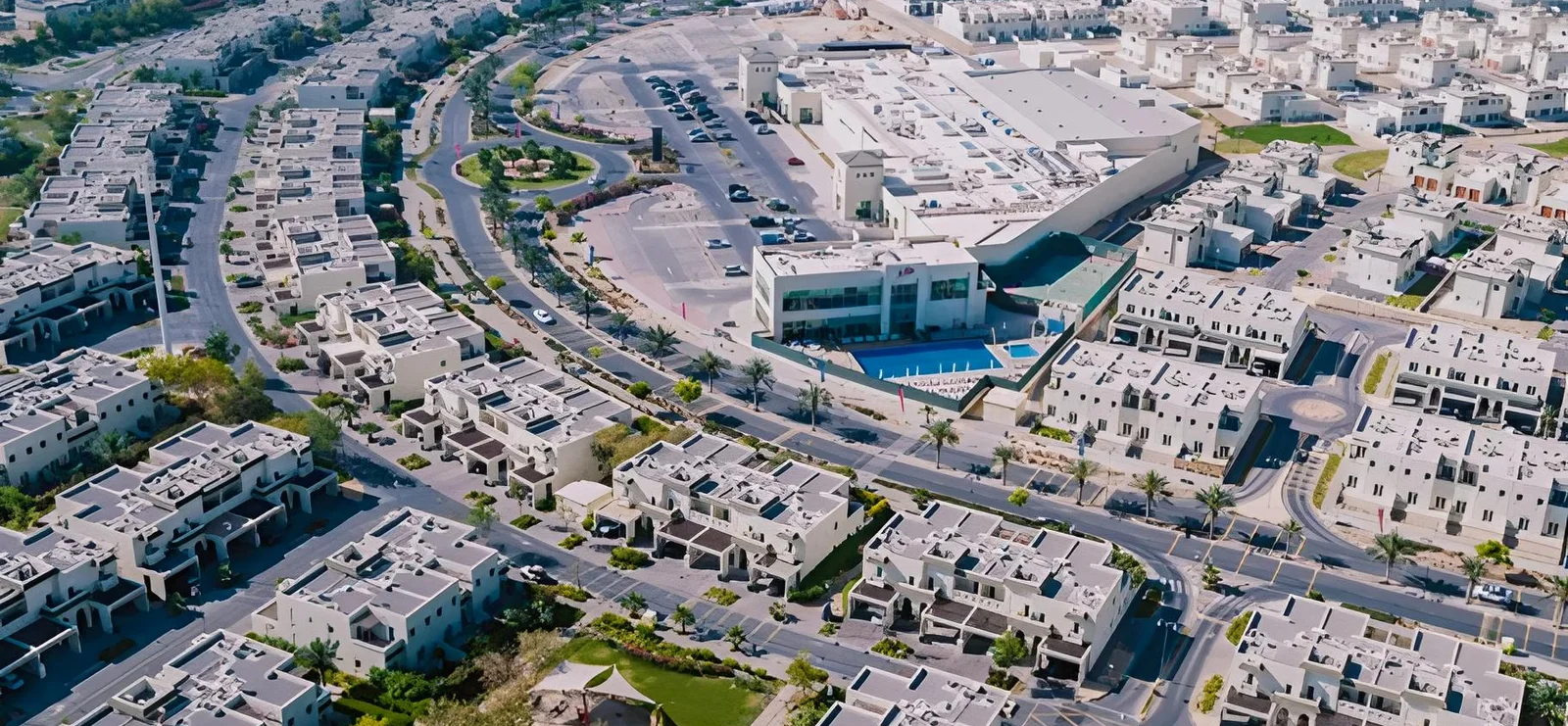
Al Furjan has become a prime example of how infrastructure drives value. In 2026, this community saw some of the strongest growth rates in the mid-to-high-end segment.
The Metro Effect in 2026
With the Route 2020 Metro line now fully integrated into daily life, Al Furjan has become a preferred choice for families. Proximity to the Metro has historically added a 15–20% premium to property values, and in 2026, we are seeing the second wave of this growth as more retail and school hubs open within the community.
Lifestyle and Community Vibe
Al Furjan offers a rare mix of villas and apartments, creating a diverse demographic. In 2026, the Pavilion retail centers have become thriving social hubs, making the area highly attractive for European and Asian expats who value walkable communities.
Dubai South: 10-Year Growth Bet
If JVC is for immediate yield, Dubai South is for massive capital gains. In 2026, the area is experiencing a transformation unlike any other part of the city.
The Al Maktoum International (DWC) Expansion
The multi-billion dollar expansion of Al Maktoum International Airport is now a visible reality. In 2026, as more airlines shift operations to DWC, the demand for worker housing, executive apartments, and logistics-adjacent residential units has skyrocketed.
Expo City Legacy and The 20-Minute City
Dubai South is the flagship for the 20-minute city concept—an urban planning goal where residents can reach all daily needs within a 20-minute walk or bike ride. Investors entering Dubai South in 2026 are buying into the future Downtown of South Dubai, with off-plan projects offering some of the most competitive payment plans in the market.
MBR City & Sobha Hartland: Standard of Luxury
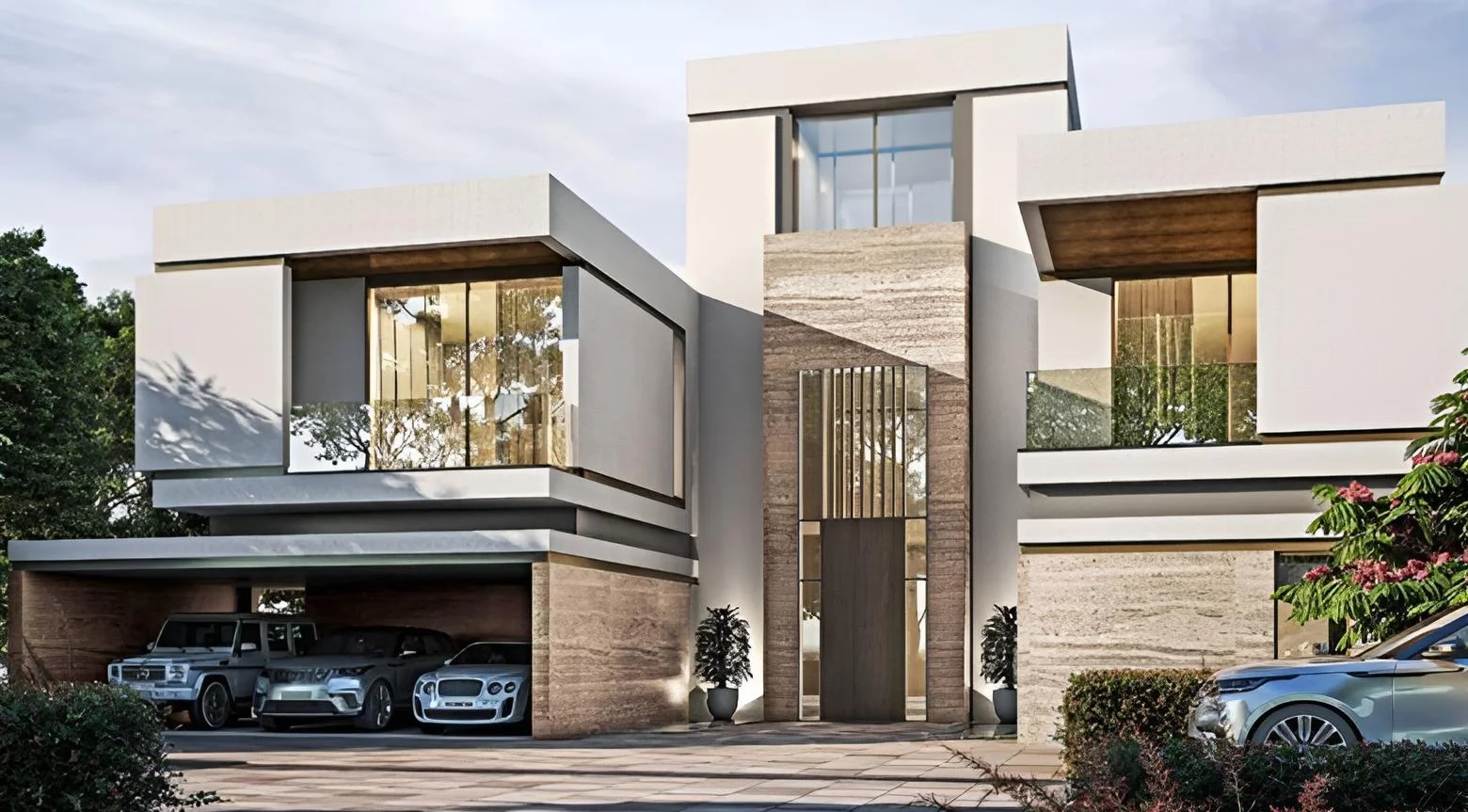
For those seeking Quality-First investments, Mohammed Bin Rashid City (MBR City) and Sobha Hartland remain the gold standard in 2026.
The Blue Line Metro Impact
The Dubai Metro Blue Line, which is currently 30% complete as of late 2026, is already being priced in by savvy investors. This line will connect MBR City directly to the rest of the city, significantly boosting the rental appeal of luxury apartments in Sobha Hartland and Dubai Creek Harbour.
Why High-Net-Worth Individuals (HNWIs) Choose MBR City
MBR City offers something rare in Dubai: massive green spaces and lagoons just 10 minutes from the Burj Khalifa. In 2026, we’ve seen a shift where ultra-wealthy buyers are moving away from the noise of the city center toward the sanctuary of MBR City, making luxury villas here a top-performing asset class for capital preservation.
Analysis of 2026 Market Trends
To maximize your investment in 2026, you must align your strategy with current tenant behaviors.
The Shift Toward Sustainable Living
In 2026, Green is no longer a marketing buzzword; it’s a requirement. Properties with solar integration, high-efficiency cooling, and LEED certification are achieving 12% higher occupancy rates than older, non-sustainable buildings.
Short-Term vs. Long-Term Rentals
With Dubai’s tourism reaching new peaks in 2026, the Holiday Home market has expanded into suburban areas like JVC and Al Furjan. Investors are now diversifying—using long-term leases for stability and short-term rentals for high-season yield spikes.
Practical Tips for Buying Property in Dubai
- Focus on Developer Track Record: With so many new launches, only buy from developers who have delivered high-quality finishes in the 2024–2025 cycle.
- Verify the Service Charges: High service charges can eat into your ROI. In 2026, look for smart buildings that use AI to reduce maintenance costs.
- Check the Blue Line Map: If you are buying for capital appreciation, ensure your property is within 1km of a planned Blue Line Metro station.
Conclusion
Dubai’s real estate market in 2026 is a story of resilience and maturity. The driving growth we see today is backed by concrete infrastructure, a growing population, and a government that views real estate as a pillar of national stability.
Whether you are looking for the 8% yields of JVC, the infrastructure-backed growth of Al Furjan, the long-term upside of Dubai South, or the luxury of MBR City, the window for rational pricing is open.
Ready to secure your piece of Dubai’s future? At Havenstone Properties, we use real-time 2026 data to ensure your investment outperforms the market. Contact our expert consultants today for an exclusive list of high-ROI properties.
Frequently Asked Questions (FAQ)
Q. Is Dubai real estate still a good investment in 2026?
A. While the market has moved from boom to maturity, the yields in Dubai (average 6.5–8%) still far outperform other global cities (average 2–4%).
Q. Which area has the highest ROI in Dubai 2026?
A. Currently, JVC (Jumeirah Village Circle) and Arjan offer the highest net rental yields for apartments, often exceeding 8%.
Q. What is the impact of the Blue Line Metro on property prices?
A. Properties located near the Blue Line Metro stations are projected to see a 20-25% increase in value by the time the line becomes operational in 2029. Buying in 2026 allows investors to capture this appreciation gap.
Q. Can I get a Golden Visa by buying property in 2026?
A. Yes, Golden visa through property investment is available for property investments of AED 2 million or more. This continues to be a major driver for the luxury and mid-market segments.