Dubai’s skyline is more than just a feat of engineering; it is a global beacon for wealth preservation and capital growth. As we move through 2026, the real estate Dubai market continues to outperform traditional global hubs like London and New York. For the modern investor, the city offers a unique environment characterized by zero property tax, high rental yields, and a regulatory framework that genuinely protects the buyer. However, entering this market requires more than just capital; it requires a strategic understanding of where to place that capital.
The central dilemma for most investors is choosing between commercial and residential properties. Residential investments—encompassing the glittering apartments of Dubai Marina and the sprawling villas of Arabian Ranches—offer a sense of familiarity and high liquidity. On the other hand, commercial investments—ranging from Grade-A office spaces in Business Bay to retail units in Downtown—provide long-term lease stability and often higher net yields.
At Havenstone Properties, we believe that straight-talking advice is the foundation of a successful portfolio. We understand that the best investment isn't a one-size-fits-all answer. It depends on your risk appetite, your liquidity needs, and your long-term financial goals. This guide is designed to peel back the layers of the Dubai market, providing you with a data-driven roadmap to navigate these two distinct asset classes. Whether you are a first-time buyer or a seasoned institutional investor, understanding the nuances of the Dubai landscape is the first step toward securing your financial future in the City of Gold.
For many expatriates and first-time buyers, navigating the initial purchase can be daunting. If you are just starting your journey, our guide on buying your first property in Dubai provides a step-by-step breakdown of the legal and financial process.
Overview of Commercial Property Investments
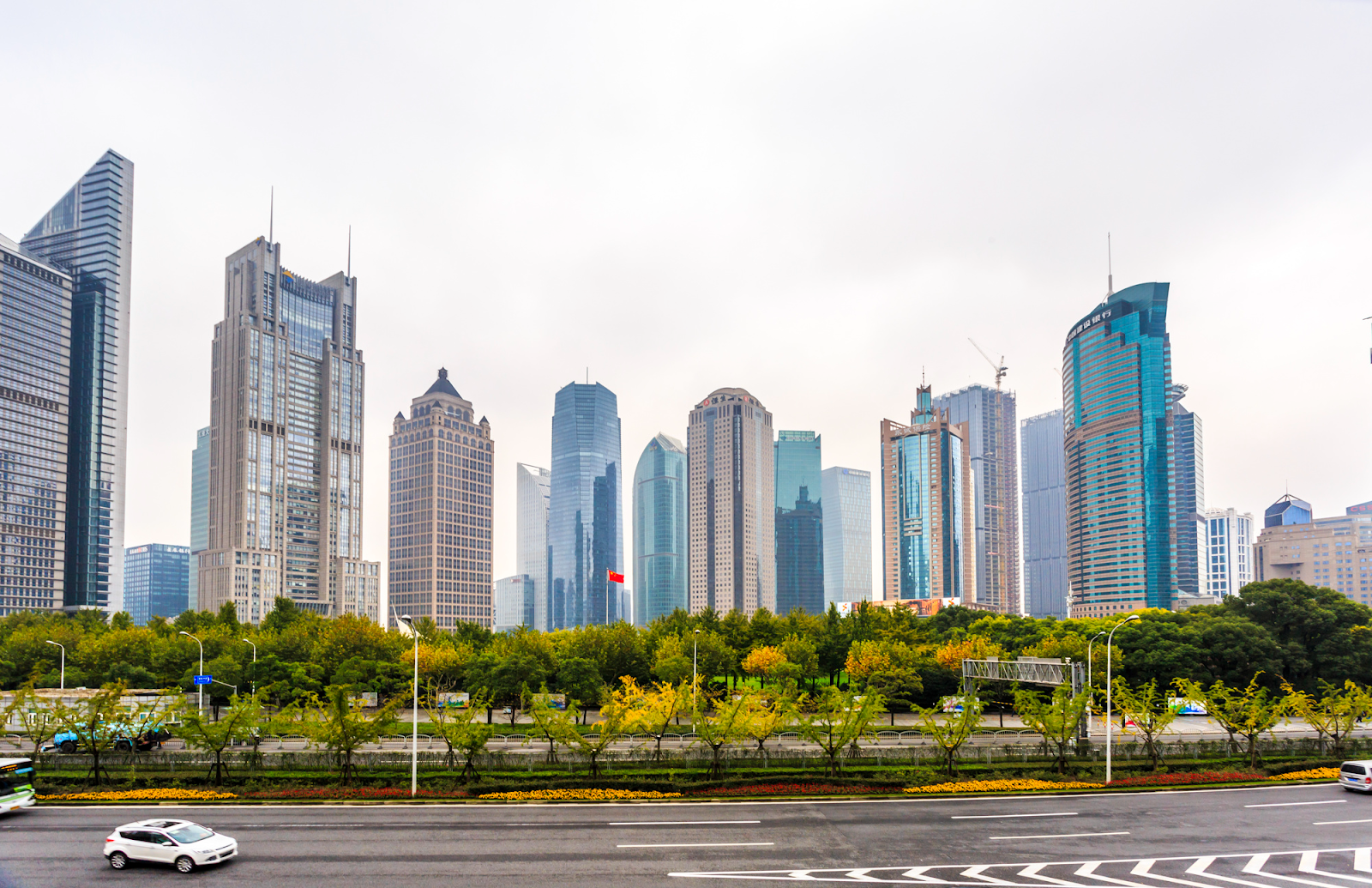
Commercial real estate in Dubai is a sophisticated asset class that focuses on business-centric spaces. This includes offices, retail outlets, warehouses, and industrial units. In a city that serves as the commercial gateway between the East and the West, the demand for high-quality corporate space remains consistently robust.
The primary benefit of commercial investment is the lease structure. Unlike residential units, where tenants might move every year, commercial tenants often sign long-term leases (3 to 10 years). This provides a predictable, stable cash flow that is highly attractive to hands-off investors. Furthermore, in Dubai, commercial tenants are often responsible for the fit-out and maintenance of the interior, reducing the operational burden on the landlord.
Key considerations for this sector include location and ease of access. A commercial unit is only as valuable as the business it can support. Factors such as proximity to Metro stations, parking availability, and Free Zone vs. Mainland licensing requirements play a massive role in vacancy rates. Working with an experienced real estate agency in Dubai is essential here, as they can help you navigate the specific zoning laws that govern commercial assets.
Pros of Commercial Investment
- Higher Yields: Commercial assets in Dubai typically offer net returns of 8% to 11%, significantly higher than residential averages.
- Lease Stability: Tenants are usually corporations signing 3 to 10-year leases, ensuring predictable cash flow.
- Reduced Maintenance: In many cases, commercial tenants handle their own fit-out and internal upkeep, lowering the landlord's operational costs.
- Professional Dealings: You deal with business entities rather than individuals, which often leads to more structured, professional relationships.
Cons of Commercial Investment
- Higher Entry Cost: Prime commercial units often require a larger initial capital outlay compared to studio or 1-bedroom apartments.
- Longer Vacancy Periods: If a major corporate tenant leaves, finding a replacement with the right business license and space requirements can take months.
- Vulnerability to Economy: Commercial demand is more sensitive to global business cycles and corporate downsizing trends.
Overview of Residential Property Investments
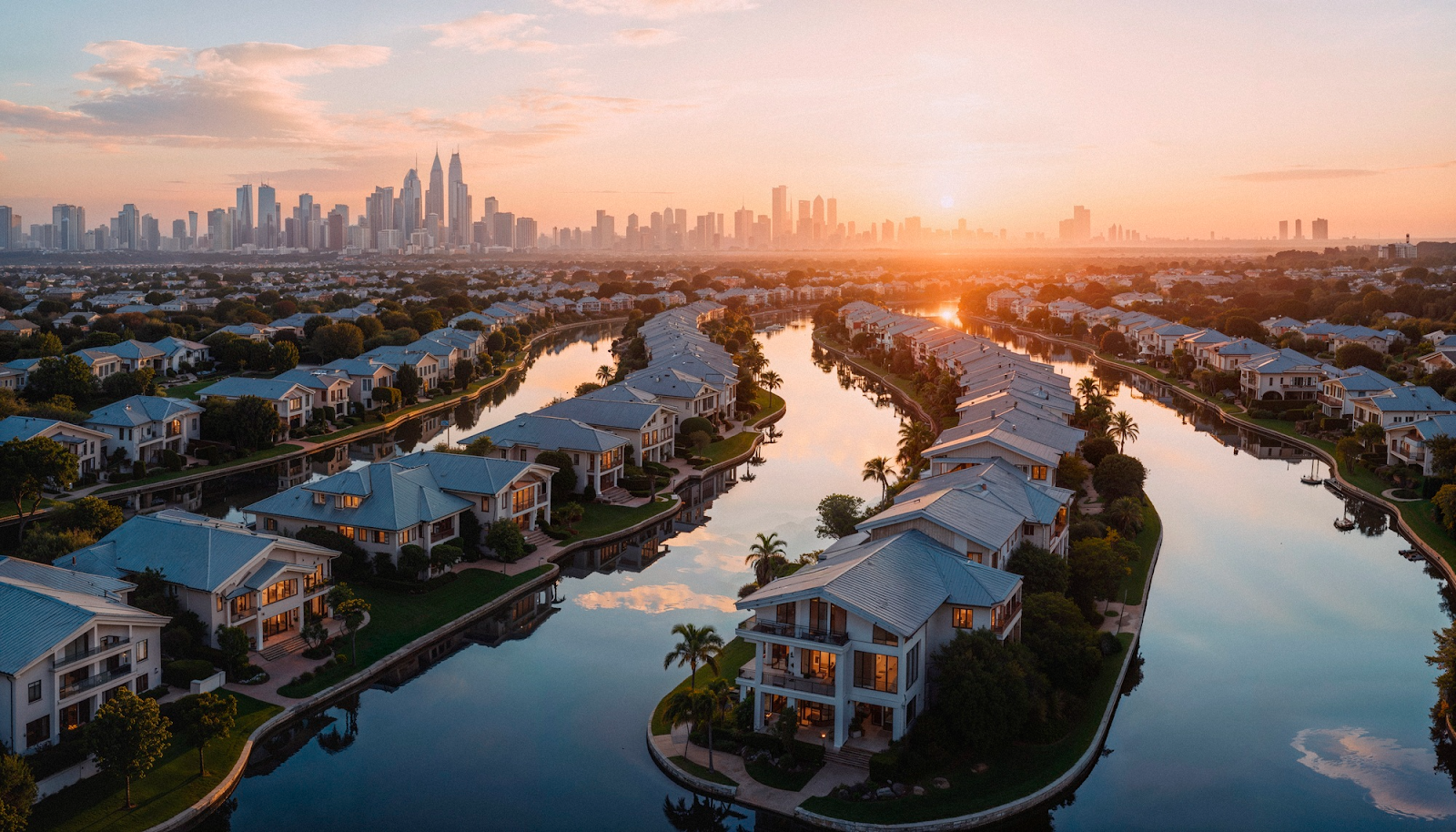
Residential property remains the most popular entry point for investors in the real estate Dubai market. This category includes everything from affordable studio apartments in Jumeirah Village Circle (JVC) to ultra-luxury villas and townhouses on the Palm Jumeirah.
The allure of residential investment lies in its universal demand. People will always need a place to live, and with Dubai’s population continuing to surge due to favorable visa policies (like the Golden Visa), the rental market is exceptionally tight. Residential properties typically offer higher liquidity than commercial ones; if you need to exit your investment quickly, the pool of potential residential buyers is significantly larger.
However, residential investments require more active management. You will deal with shorter lease cycles, move-in/move-out inspections, and the occasional maintenance request. For many of our clients at Havenstone Properties, the solution is professional property management, which allows them to enjoy the high yields of Dubai’s residential sector without the day-to-day headaches of being a landlord.
Pros of Residential Investment
- Universal Demand: Everyone needs a roof. The tenant pool is massive, ranging from young professionals to large expat families.
- High Liquidity: Residential units are easier to sell quickly. The exit strategy is much faster because the buyer pool includes both investors and end-users.
- Golden Visa Access: Investing AED 2 million or more in residential property remains the most direct path to a 10-year residency visa.
- Lower Entry Threshold: You can enter the market with a smaller budget, especially in emerging communities like JVC or Arjan.
Cons of Residential Investment
- High Tenant Turnover: Most residential leases are for 1 year, leading to frequent move-in/move-out costs and agency fees.
- Maintenance Burden: Landlords are generally responsible for all major repairs, and service charges in luxury buildings can eat into your net ROI.
- Oversupply Risk: While demand is high, the rapid launch of new residential projects can occasionally lead to localized rent plateaus.
Dubai Market Trends and Analysis
As of early 2026, the Dubai market is showing remarkable resilience and evolution. Residential capital values have seen a steady year-on-year increase of approximately 8-12% in prime areas, while rental yields in emerging communities like Dubai South and Al Furjan are frequently touching the 7-9% mark.
In the commercial sector, there has been a significant flight to quality. Corporations are moving away from older, shell and core units toward plug-and-play fitted offices. Occupancy rates in prime office hubs like the DIFC and DMCC are hovering near 95%, driving up commercial rents and making office space one of the highest-performing assets for ROI-focused investors.
These trends are fueled by Dubai’s proactive government initiatives. The expansion of Al Maktoum International Airport and the continued success of the D33 Economic Agenda ensure that the city remains an attractive destination for both global talent and international corporations. For an investor, these data points suggest that while the market is maturing, there is still significant room for capital appreciation.
Key Differences Between Commercial and Residential Investments
Choosing between these two requires a clear understanding of risk and reward.
Risk vs. Reward: Residential is generally perceived as lower risk because the asset is easier to sell or rent. Commercial property offers higher rewards but carries a higher risk of longer vacancy periods if a major tenant leaves. Whether you choose commercial or residential, knowing how to efficiently list and rent your property in Dubai is key to maintaining high occupancy rates.
Financing Options for Investors
Securing the right financing is the engine of your investment. In Dubai, both residents and non-residents can access mortgages. Typically, residential financing for non-residents requires a down payment of 25-50%, with interest rates currently ranging between 4.5% and 5.5% depending on the bank and the individual's profile.
Commercial financing is slightly more stringent. Banks often look closely at the business case of the property—checking if the unit is already tenanted and the financial health of that tenant. Down payments for commercial properties usually start at 30-40%.
A common pitfall to avoid is failing to factor in closing costs. Between DLD (Dubai Land Department) fees, agency commissions, and mortgage registration fees, you should budget an additional 6-7% on top of the purchase price. Consulting with the best real estate broker in Dubai can help you get a pre-approval in place so you can move quickly when the right deal appears.
For a broader look at why the market is so attractive to the international community, see our insights on foreign investors in Dubai real estate.
Role of Dubai Based Real Estate Agencies and Brokers
In a market as fast-paced as Dubai, trying to go it alone is a gamble. A reputable real estate company in Dubai acts as your eyes and ears on the ground. Real estate brokers in Dubai provide more than just a list of properties; they provide market intelligence, negotiation power, and access to off-market deals that never hit the public portals.
Choosing the right partner is crucial. You need a broker who understands the data—not just the sales pitch. At Havenstone Properties, we pride ourselves on being a people-first agency. Our role is to act as your consultant, helping you avoid overvalued projects and identifying communities with the highest growth potential. The best real estate broker in Dubai isn't the one who sells you the most expensive property, but the one who ensures your investment aligns with your exit strategy.
Legal Considerations for Investors
The Dubai Land Department (DLD) and the Real Estate Regulatory Agency (RERA) have created one of the most transparent legal frameworks in the world. As an investor, you have the right to Freehold ownership in designated areas, meaning you own the land and the structure in perpetuity.
Key legal steps include:
- MOU (Form F): The initial contract between buyer and seller.
- No Objection Certificate (NOC): Obtained from the developer to ensure there are no outstanding dues.
- Title Deed Transfer: The final step at the Trustee office where the property is officially registered in your name.
For foreign investors, understanding the Escrow account system for off-plan properties is vital. This ensures your money is only used for the construction of your specific project, providing a massive layer of security.
Conclusion and Future Outlook
The debate between commercial and residential investment doesn't have a right answer—it has an informed answer. Residential properties offer the security of high demand and liquidity, while commercial properties offer the allure of long-term stability and superior yields.
As we look toward the remainder of 2026 and beyond, Dubai's trajectory remains upward. With the city's commitment to becoming the world's best place to live and work, the demand for both living and working spaces will only intensify. However, the market is becoming more nuanced. Success now requires a data-driven approach and a partner who values integrity over a quick commission.
At Havenstone Properties, we don't just find you a property; we help you build a legacy. Our civil engineering background and deep market roots allow us to see the bones of a deal that others might miss. Whether you are navigating the complexities of commercial leases or searching for the perfect family villa, we are here to provide the straight-talking, expert guidance you deserve.
Ready to start your Dubai investment journey? Contact us today for a bespoke consultation and let us help you find the asset that fits your future.
Frequently Asked Questions (FAQ)
Q1. Is it better to invest in commercial or residential property in Dubai in 2026?
Ans: The choice depends on your goals: residential property offers higher liquidity and a larger tenant pool, making it ideal for stability. Commercial property typically offers higher net yields (8-10%) and longer lease stability but requires more specialized market knowledge.
Q2. What are the average rental yields for Dubai real estate?
Ans: In 2026, residential yields in Dubai average between 6-8%, with high-demand areas like JVC hitting 9%. Commercial yields are currently higher, often ranging from 8-11% for Grade-A office spaces in hubs like Business Bay and JLT.
Q3. Can foreigners buy commercial property in Dubai?
Ans: Yes, foreigners can own 100% of commercial and residential property in designated Freehold areas. This includes popular zones such as Downtown Dubai, Dubai Marina, Business Bay, and Jumeirah Lake Towers (JLT).
Q4. What is the minimum investment for commercial real estate in Dubai?
Ans: Entry-level commercial units like small retail shops or offices typically start around AED 800,000 to AED 1.2 million. However, prime fitted offices in central business districts often require an investment of AED 2 million or more.
Q5. Are there taxes on property investment in Dubai?
Ans: Dubai offers a zero-tax environment on personal rental income and capital gains. The only primary cost is a one-time 4% Dubai Land Department (DLD) fee paid at the time of purchase.
Q6. Why should I use a real estate agency in Dubai instead of buying directly?
Ans: A professional real estate agency in Dubai like Havenstone Properties provides critical due diligence, access to off-market inventory, and expert negotiation. Brokers ensure all legal paperwork (MOU, NOC, Title Transfer) is handled correctly to protect your capital.
Q7. Which areas in Dubai have the highest ROI in 2026?
Ans: For high rental yields, JVC, Dubai South, and Arjan lead the residential sector. For capital appreciation and commercial growth, Business Bay and the DIFC area remain top performers due to record-low vacancy rates.