Dubai’s transformation into a global powerhouse has made its real estate market one of the most discussed financial topics of the decade. As we navigate through 2026, the city has reached a maturing phase. No longer just a land of speculative flips, Dubai is now a sanctuary for long-term wealth preservation and a top-tier lifestyle destination. However, for every resident or newcomer, one question looms larger than the Burj Khalifa: Is it better to buy property in Dubai or rent an apartment in Dubai?
The stakes have never been higher. With the city’s population surpassing 4 million in 2025 and an estimated 200,000 new residents expected by the end of 2026, demand for residential property is soaring. Simultaneously, the rental market is evolving with the introduction of monthly digital payment options, shifting away from the traditional multi-cheque system. At Havenstone Properties, our role as a leading real estate agency in Dubai is to provide you with straight-talking data. This guide will dissect the financial mechanics, lifestyle implications, and 2026 market forecasts to help you determine which path aligns with your unique goals.
The Case for Ownership: Buying Property in Dubai
Buying a home is often seen as a milestone of stability. In the context of real estate Dubai, it is also a sophisticated financial maneuver. For those looking to buy property in Dubai in 2026, the primary motivator is equity. Rent is a 100% expenditure with no return; a mortgage, even with interest, is a transfer of wealth into an asset you own.
Financial Appreciation and The 2026 Market Cycle
As we enter 2026, capital appreciation remains a strong driver. While the astronomical growth of 2023-2024 has moderated, prime areas are still seeing a healthy 5-8% annual increase in value. For long-term residents, the Break-Even Point—the time it takes for the costs of buying to become lower than the total cost of renting—has shortened to approximately 3 to 5 years. If you plan to remain in the UAE for this duration, purchasing is almost always the best real estate investment in Dubai.
The Golden Visa Incentive
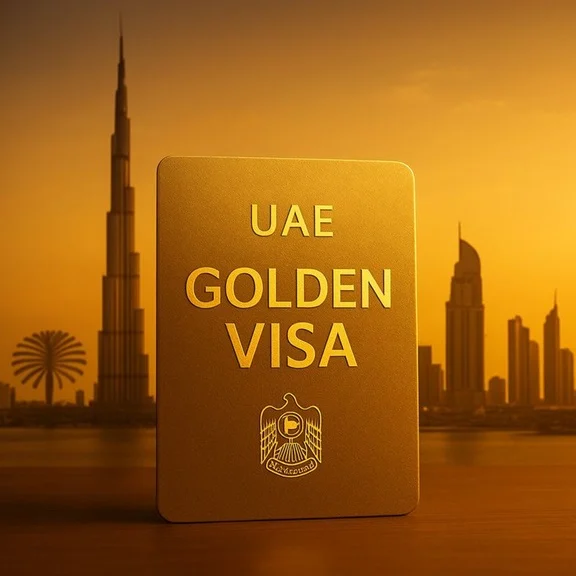
One cannot discuss buying without mentioning the UAE Golden Visa. By purchasing a property valued at AED 2 million or more, investors and residents can secure a 10-year residency visa. This has revolutionized the market, turning residential property into a tool for long-term immigration security. For many, this peace of mind is worth the upfront capital, as it decouples their residency from their employment status.
Drawbacks of Buying: Upfront Costs and Market Risk
While ownership builds wealth, it requires significant liquidity. The property for sale in Dubai market typically demands a 20-25% down payment for residents and up to 50% for non-residents. Beyond the purchase price, buyers must account for the hidden transaction costs:
- 4% DLD Fee: A one-time payment to the Dubai Land Department.
- 2% Agency Commission: Paid to the property agents in Dubai facilitating the deal.
- Trustee & Registration Fees: Approximately AED 5,000–8,000.
Furthermore, being an owner means you are responsible for Dubai properties management and maintenance. Service charges in luxury towers can be significant, sometimes ranging from AED 15 to AED 30 per square foot. If the market faces a temporary oversupply in 2026—with nearly 83,000 units scheduled for delivery—owners in less desirable communities might see a slight softening in their property's resale value.
The Flexibility of Renting: Living Life on Your Own Terms
For many, the ability to rent an apartment in Dubai offers a level of freedom that ownership cannot match. In 2026, the rental market is more tenant-friendly than ever. The massive influx of new supply is starting to stabilize prices, giving renters more leverage during negotiations.
Minimal Commitment and High Mobility
Renting allows you to test drive different neighborhoods. You can spend a year enjoying the beach lifestyle of JBR, then move to the green suburbs of Dubai Hills Estate the next. This mobility is vital for expatriates whose career paths may require them to relocate within the city or leave the country on short notice. When you rent, your financial liability is limited to your annual contract and a security deposit (usually 5-10% of the rent).
Tenant Rights and RERA Protection
Dubai’s legal framework for renters is robust. The Real Estate Regulatory Agency (RERA) uses a Rental Price Index to cap how much a landlord can increase your rent upon renewal. In 2026, landlords are also becoming more flexible with payment terms. The traditional one cheque requirement is being replaced by monthly direct debits in many communities, making it easier for young professionals to manage their cash flow without taking out personal loans for rent.
The Downside of Renting: The Lost Equity Trap
The most significant disadvantage of renting long term rental properties in Dubai is the lack of asset growth. Every dirham paid in rent is gone forever. In a high-inflation environment, rent can be an unpredictable variable. Even with RERA caps, if you stay in a rental for 10 years, you could have effectively paid for half of a house without owning a single brick.
Additionally, renters face the risk of eviction if the landlord decides to sell the property or move in themselves (provided they give the legal 12-month notice). This lack of permanent control over your living space can be a psychological burden for families seeking long-term roots.
Financial Comparison: Buy vs. Rent (2026 Case Study)
To visualize the difference, let’s compare a 1-bedroom apartment in Business Bay with a market value of AED 1.5 million.

In this 2026 scenario, the buyer pays less monthly than the renter and gains nearly half a million dirhams in equity and appreciation over five years. This is why many financial advisors suggest that if your horizon is longer than 3 years, buying is the best property investment in Dubai.
How to Choose the Right Real Estate Agency in Dubai
Whether you decide to buy or rent, the quality of your experience depends on your choice of top real estate brokers in Dubai. The market is fast-paced, and pocket listings (deals not yet on the public portals) are common.
A professional real estate agency in Dubai should offer:
- Transparency: Clear breakdown of all fees and legal steps.
- Market Intelligence: Real-time data on which communities are oversupplied vs. undersupplied.
- Comprehensive Support: From mortgage pre-approval to Dubai properties management for investors.
At Havenstone Properties, we pride ourselves on being more than just property agents in Dubai. We are consultants who prioritize your ROI and lifestyle over a quick transaction.
Practical Tips for Buyers and Renters
For Potential Buyers:
- Get Pre-Approved: Mortgage rates in 2026 are averaging between 3.89% and 4.99%. Know your budget before you start viewing.
- Focus on Infrastructure: Look for areas near the upcoming Metro Blue Line extension. Proximity to transit can boost property value by 15%.
- Check the Developer: Stick to Tier-1 developers with a track record of timely delivery and high-quality finishes.
For Potential Renters:
- Negotiate on Cheques: With more supply hitting the market, many landlords will accept 4 to 6 cheques, or even monthly payments.
- Verify the Ejari: Never hand over money without an Ejari-compliant contract. This is your only legal protection in the Rental Dispute Center.
- Audit Service Charges: If you’re renting a villa, clarify who pays for the pool maintenance and landscaping.
Conclusion: Making the Right Move for Your Future
The decision to buy or rent in Dubai isn't just about math—it’s about your life’s trajectory. If you are a newcomer looking for flexibility, renting an apartment in Dubai is a safe, low-commitment way to experience the city. However, if you are a long-term resident or a savvy investor, the 2026 market offers a unique window to secure your future.
With rental yields still averaging 6-9% in mid-market hubs like JVC and Silicon Oasis, and the added benefit of the Golden Visa, the argument for ownership is incredibly compelling. Ultimately, the best real estate investment in Dubai is the one that fits your current financial health and your five-year vision.