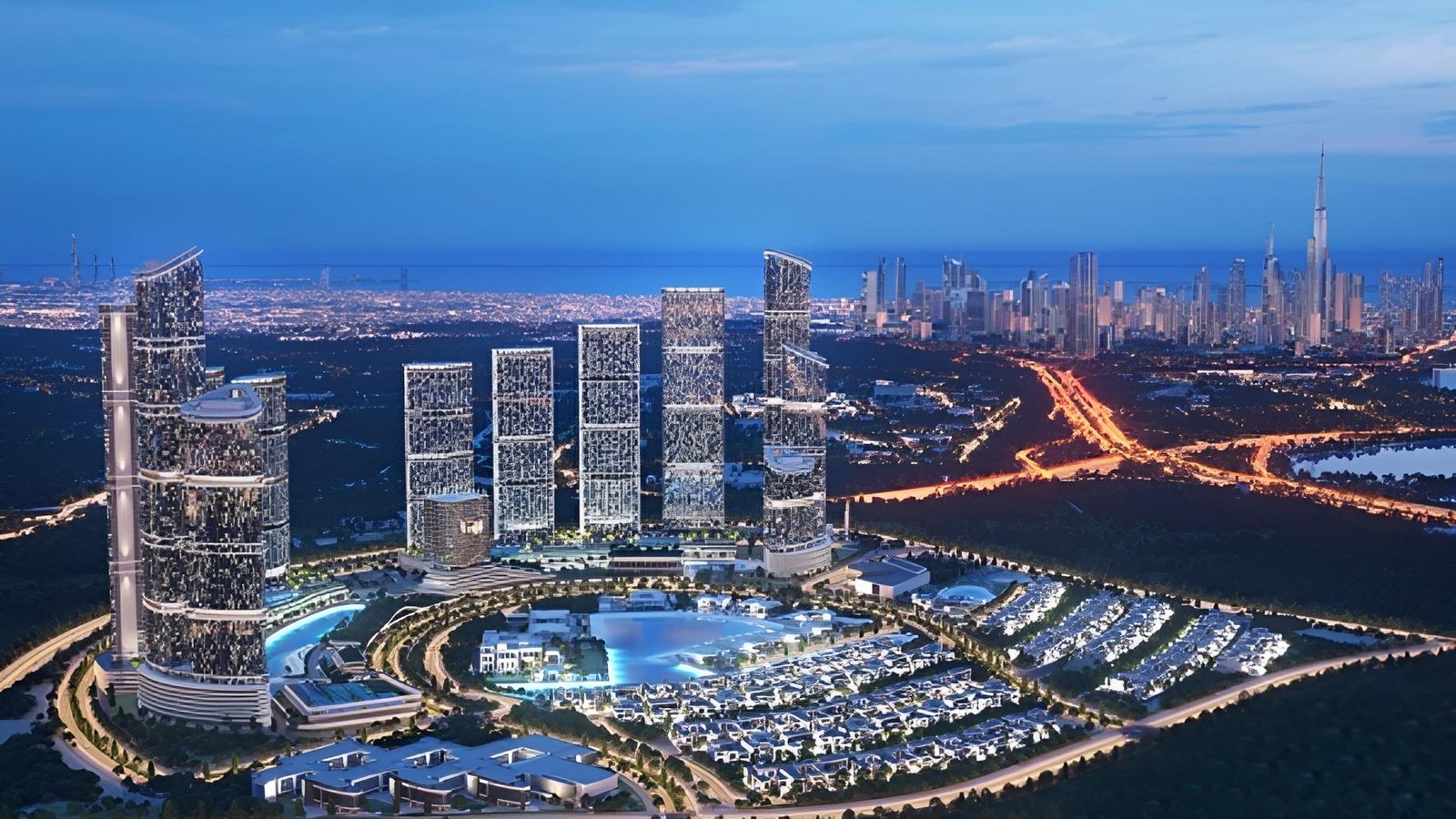
The UAE Property Market Opportunity
The United Arab Emirates has emerged as one of the world's most attractive real estate markets for international investors, high-net-worth individuals, and expats seeking new opportunities. Within the UAE, two cities dominate the investment landscape: Dubai and Abu Dhabi.
If you're considering investing in UAE property, you've likely asked yourself one critical question: "Should I buy property in Dubai vs Abu Dhabi?" Both cities offer exceptional investment potential, but they cater to different investor profiles and offer distinct advantages.
This comprehensive guide from Havenstone Properties breaks down the Dubai vs Abu Dhabi property market, comparing everything from property prices and rental yields to lifestyle factors and long-term investment potential. Whether you're a first-time buyer, a seasoned investor, or a high-net-worth individual exploring the UAE property market, this guide will help you make an informed decision.
Understanding the UAE Property Market: Growth and Opportunity
The UAE property market has experienced remarkable growth over the past decade, transforming the nation into a global real estate powerhouse. Here's why the UAE property market continues to attract international capital:
- Political Stability: The UAE offers one of the most stable political environments in the Middle East.
- Foreign Ownership Laws: Non-UAE nationals can own property freehold in designated areas, unlike many regional competitors.
- Diverse Economy: A strong service and tourism sector ensures consistent demand for residential and commercial properties.
- Infrastructure Development: Continuous government investment in infrastructure drives property value appreciation.
- Lifestyle Appeal: World-class amenities, modern architecture, and an international community attract global buyers.
- Competitive Rental Yields: Property rental returns in the UAE remain attractive compared to many global markets.
According to recent market data, the UAE property sector attracted over $20 billion in real estate transactions in 2025, with Dubai and Abu Dhabi accounting for the majority of this activity. Both cities have experienced steady capital appreciation and consistent rental income opportunities, making them ideal for diversified investment portfolios.
Dubai Property Market: The Global Investment Hub
Dubai has established itself as the undisputed leader in the region's real estate market. Home to over 3.6 million residents and welcoming hundreds of thousands of annual visitors, Dubai offers unparalleled lifestyle amenities and investment opportunities.
Key Investment Areas in Dubai
Several neighborhoods have become investment hotspots for different investor types:
- Downtown Dubai: The iconic destination featuring the Burj Khalifa and luxury apartments. High capital appreciation, strong rental demand, and cosmopolitan lifestyle attract ultra-high-net-worth buyers.
- Dubai Marina: A waterfront destination with iconic apartment towers, retail, and dining. Popular for investors seeking capital appreciation and young professionals looking for modern urban living.
- Palm Jumeirah: Exclusive beachfront properties offering luxury living and premium positioning. Attracts trophy asset investors and ultra-luxury segment buyers.
- Emirates Hills: A master-planned community offering spacious villas with golf course views. Popular with families and investors seeking villa-to-apartment diversification.
- Jumeirah Beach Residence (JBR): One of the largest residential complexes offering good value, strong rental demand, and an established community lifestyle.
- Business Bay: Emerging area with mixed-use development, offering balanced investment opportunities for value-conscious investors.
- Arabian Ranches: Established villa community attracting families and long-term investors seeking suburban living within the city.
Why Dubai Attracts Global Real Estate Investors
- High Rental Demand: Strong tourism, expat population, and business activities create consistent tenant demand.
- Capital Appreciation: Properties in prime locations have shown 5-8% annual appreciation over 5-year periods.
- Lifestyle and Amenities: World-class dining, shopping, entertainment, and education attract premium tenants.
- Market Liquidity: Easy property resale with transparent prices and established buyer-seller networks.
- Tax Benefits: No property transfer tax or income tax on rental yields for residents.
- Developer Track Record: Established developers with proven delivery records and quality standards.
Dubai Rental Yields and Investment Returns
Dubai property rental yields typically range between 4-7% annually, depending on location, property type, and market conditions:
- Prime locations (Downtown Dubai, Marina): 3.5-5% annual yield
- Mid-market areas (JBR, Business Bay): 4.5-6.5% annual yield
- Emerging areas: 6-7.5% annual yield
When combined with capital appreciation, Dubai investments can deliver total returns of 8-12% annually over medium to long-term periods (5+ years).
Abu Dhabi Property Market: Stability and Government Support
Abu Dhabi, the capital of the UAE, represents a more conservative but increasingly attractive investment option. With a population of approximately 1.5 million, Abu Dhabi emphasizes government-led development, economic diversification, and long-term sustainability.
Key Investment Zones in Abu Dhabi
Saadiyat Island: A government flagship development featuring cultural institutions, residential communities, and luxury hotels. Strong capital appreciation potential with premium positioning.
Al Raha Beach: A waterfront development offering apartments and villas with beachfront access. Growing community attracting families and investors seeking lifestyle balance.
Downtown Abu Dhabi: The business and financial center offering convenient urban living and strong rental demand from professionals.
Yas Island: A mixed-use development with entertainment, residential, and commercial components. Popular with investors seeking diverse property types.
Al Marjan Island: A new waterfront development with modern architecture and premium positioning attracting global investors.
Khalifa City: An established residential area offering good value and strong rental demand from middle-market tenants.
Mohamed bin Zayed City (MBZ City): An emerging master-planned community targeting the middle and upper-middle segments with planned infrastructure.
Abu Dhabi Investment Advantages and Government Support
- Government Stability: Capital city status ensures strong government support and infrastructure investment.
- Economic Diversification: Reduced oil dependency with focus on tourism, technology, and renewable energy.
- Emerging Growth Markets: New developments offer early-stage investment opportunities with higher appreciation potential.
- Lower Entry Prices: Generally 15-25% lower property prices compared to Dubai in comparable segments.
- Strong Rental Demand: Growing expat population and government employee relocation drive rental market.
- Quality of Life Focus: Quieter, less crowded environment appeals to families and lifestyle-focused investors.
- Strategic Vision: Abu Dhabi 2030 Plan ensures sustained government investment and economic growth.
Abu Dhabi Rental Yields and Returns
Abu Dhabi rental yields are typically competitive with Dubai, ranging from 4-8% depending on location and property type:
- Prime locations (Saadiyat Island, Downtown): 3.5-5% annual yield
- Mid-market areas (Al Raha Beach, Khalifa City): 5-7% annual yield
- Emerging areas: 6-8% annual yield
Abu Dhabi properties often show stronger rental yield returns compared to Dubai, making it attractive for income-focused investors.
Dubai vs Abu Dhabi Property Market: Side-by-Side Comparison
| Metric | Dubai | Abu Dhabi |
| Average Property Prices (2BR Apartment) | AED 1.2M - 2.0M | AED 900K - 1.5M |
| Rental Yields | 4-7% annually | 4-8% annually |
| Capital Appreciation (5-year) | 5-8% annually | 6-9% annually |
| Market Size & Liquidity | Larger, more liquid | Growing, moderately liquid |
| Investor Demand | Very high (international) | High (regional & international) |
| Lifestyle Appeal | Urban, cosmopolitan, entertainment-focused | Family-friendly, relaxed, quality-of-life focused |
| Entry Barriers | Higher prices, competitive markets | Lower prices, emerging opportunities |
Property Prices: Dubai vs Abu Dhabi
One of the most significant differences between Dubai and Abu Dhabi is property pricing. Dubai, as the more established and globally recognized market, commands premium prices:
Dubai Price Ranges (2026 Market Data):
- 1-Bedroom Apartments: AED 700K - 1.2M
- 2-Bedroom Apartments: AED 1.2M - 2.0M
- 3-Bedroom Villas: AED 2.5M - 5.0M+
Abu Dhabi Price Ranges (2026 Market Data):
- 1-Bedroom Apartments: AED 500K - 900K
- 2-Bedroom Apartments: AED 900K - 1.5M
- 3-Bedroom Villas: AED 1.8M - 3.5M
Key Insight: Abu Dhabi properties typically cost 15-25% less than comparable Dubai properties, making it ideal for budget-conscious investors seeking better capital preservation and rental yield opportunities.
Rental Yield and ROI Comparison
When evaluating investment returns, rental yield forms a crucial component of total ROI:
Dubai Example (2BR in Marina):
Property Price: AED 1.5M | Monthly Rent: AED 6,500 | Annual Yield: 5.2%
Combined with 6% appreciation: Total ROI = 11.2% annually
Abu Dhabi Example (2BR in Al Raha):
Property Price: AED 1.1M | Monthly Rent: AED 5,200 | Annual Yield: 5.6%
Combined with 7% appreciation: Total ROI = 12.6% annually
Note: These are illustrative examples. Actual returns vary based on location, property condition, market cycles, and individual circumstances. Always consult with property investment advisors before making investment decisions.
Lifestyle Differences: Which City Suits Your Lifestyle?
Beyond financial metrics, the lifestyle factor significantly influences property investment decisions. The best city for your investment depends partly on where you'd want to live or spend time:
Dubai Lifestyle
Dubai is synonymous with vibrant urban living:
- Fast-paced cosmopolitan environment with diverse international community
- World-class dining, shopping, and entertainment options
- 24/7 activities and nightlife
- Premium educational institutions and schools
- Constant new development and innovation
- Buzzing business hub attracting entrepreneurs and professionals
- Higher cost of living but premium lifestyle experience
- Popular with young professionals, entrepreneurs, and luxury-seeking investors
Abu Dhabi Lifestyle
Abu Dhabi offers a more balanced and relaxed approach:
- Slower-paced, more traditional lifestyle
- Strong emphasis on family and community
- Lower cost of living compared to Dubai
- Quieter neighborhoods with suburban feel in many areas
- Strong cultural and heritage focus
- Excellent educational institutions and schools
- Growing entertainment and dining scene
- Popular with families, established professionals, and investors prioritizing quality of life
- Emerging startup and tech hub with government support
Long-Term Investment Potential: Dubai vs Abu Dhabi
Dubai Long-Term Outlook:
Dubai's established market position, massive tourism appeal, and continuous infrastructure development ensure strong long-term appreciation potential. Investors with 10+ year horizons typically see properties appreciate 6-10% annually, with consistent rental income. The market is mature but still growing, particularly in new developments and emerging areas.
Abu Dhabi Long-Term Outlook:
Abu Dhabi's government-backed development plans, economic diversification, and lower property prices create compelling long-term opportunities. The Abu Dhabi 2030 Vision ensures continued investment in infrastructure, technology, and lifestyle amenities. Properties in emerging areas could appreciate 7-12% annually as these areas mature, making Abu Dhabi potentially more rewarding for patient, strategic investors.
Verdict: Abu Dhabi may offer stronger long-term appreciation potential due to lower entry prices and government-supported development, while Dubai offers more stable, predictable returns based on an established market.
Which City is Better for Different Investor Profiles?
For First-Time Buyers
First-time property buyers should prioritize affordability, market stability, and ease of resale.
Best Choice: Abu Dhabi
Abu Dhabi offers lower entry prices (15-25% less than Dubai), strong government support, and growing demand. The lower initial investment means lower mortgage requirements and better capital preservation. Emerging areas like MBZ City offer new properties with modern amenities at attractive price points, ideal for building investment portfolios.
For Rental Income Investors
Investors prioritizing consistent cash flow should focus on rental yield and tenant demand.
Best Choice: Abu Dhabi (by yield), Dubai (by scale)
Abu Dhabi offers slightly higher rental yields (5-8% vs 4-7%), making it ideal for yield-focused investors. However, Dubai's larger tenant pool and premium rental rates in key locations make it attractive for investors willing to accept slightly lower yields in exchange for higher absolute rental income. Many experienced investors hold properties in both cities for portfolio diversification.
For Luxury and Trophy Asset Investors
Ultra-high-net-worth individuals seeking trophy assets and lifestyle properties should prioritize unique offerings and prestige.
Best Choice: Dubai
Dubai's Palm Jumeirah, Emirates Hills, and Downtown Dubai offer unparalleled luxury properties with global recognition and prestige. These assets attract international buyers, ensuring strong resale potential. The lifestyle amenities and international community appeal make Dubai the clear choice for luxury positioning.
For Capital Appreciation and Long-Term Growth
Investors with 10+ year horizons seeking maximum capital appreciation should target emerging, government-backed developments.
Best Choice: Abu Dhabi
Abu Dhabi's emerging areas (Saadiyat Island expansion, MBZ City, Al Marjan Island) offer ground-floor opportunities in government-supported projects. Lower current valuations combined with strong appreciation potential make Abu Dhabi attractive for strategic, patient investors. Dubai offers more predictable appreciation but at higher entry prices.
Tips for Investing in UAE Property: Dubai and Abu Dhabi
- Work with Established Real Estate Agents: Partner with knowledgeable agents familiar with local market dynamics, regulations, and investment trends.
- Understand Mortgage Options: UAE banks offer competitive mortgage rates (typically 2.5-4.5% fixed). Pre-approval helps you act quickly when opportunities arise.
- Factor in All Costs: Budget for registration fees (2-4% of purchase price), agency commissions (2%), and annual maintenance fees (5-8% of annual rent).
- Research Location Thoroughly: Visit neighborhoods, check proximity to amenities, and understand future development plans.
- Monitor Market Cycles: Property markets are cyclical. Patience in timing purchases during softer markets can significantly improve returns.
- Consider Rental Demand: Invest in areas with consistent tenant demand (near universities, business districts, transportation hubs).
- Diversify Your Portfolio: Mix property types (apartments, villas) and locations (prime vs emerging areas) to balance risk and return.
- Understand Legal Framework: Familiarize yourself with UAE property laws, ownership regulations, and tax implications.
- Plan for Future Resale: Consider liquidity and resale potential. Prime locations offer faster sales compared to emerging areas.
- Engage Professional Advisors: Tax advisors, legal consultants, and investment advisors provide valuable guidance for international investors.
Why Choose Havenstone Properties for Your Dubai and Abu Dhabi Investment?
Navigating the Dubai vs Abu Dhabi property market requires expertise, market knowledge, and a trusted advisor who understands your investment goals. Havenstone Properties has been guiding international investors and expats through UAE real estate opportunities for over a decade.
- Deep Market Expertise: Our team possesses comprehensive knowledge of both Dubai and Abu Dhabi markets, including emerging opportunities and hidden gems.
- Investor-Focused Guidance: We don't just sell properties; we provide strategic investment advice tailored to your goals, timeline, and risk profile.
- Access to Exclusive Listings: Leverage our extensive network and exclusive partnerships to discover properties before they hit the market.
- End-to-End Support: From property search and negotiation to financing and legal documentation, we guide you through every step.
- Market Insights and Reports: Access our latest market analysis, investment trends, and neighborhood guides to inform your decisions.
- Transparent Communication: We believe in honest, straightforward communication about market conditions, pricing, and realistic return expectations.
- Regulatory Compliance: Our team ensures all transactions comply with UAE property laws and regulations, protecting your investment.
- Post-Purchase Support: Even after your purchase, we provide property management recommendations, rental strategies, and exit planning.
Ready to explore Dubai and Abu Dhabi property investment opportunities? Contact Havenstone Properties today for a confidential consultation. Our team will help you identify the perfect investment aligned with your goals and budget.
Visit us at https://www.havenstonedubai.com/ or connect with our investment advisors for personalized guidance.
Conclusion: Dubai vs Abu Dhabi Property Market Decision Guide
The Dubai vs Abu Dhabi property market question doesn't have a one-size-fits-all answer. Both cities offer exceptional investment opportunities, but they serve different investor profiles and goals:
- Choose Dubai if you prioritize an established, liquid market with premium lifestyle appeal, consistent rental demand, and tax-advantaged returns from a globally recognized property market.
- Choose Abu Dhabi if you seek better entry prices, potentially higher rental yields, stronger long-term appreciation potential, and a more relaxed lifestyle with government-backed development support.
The Smart Approach: Many successful UAE property investors hold diversified portfolios across both cities, balancing Dubai's stability with Abu Dhabi's growth potential. This approach captures benefits from both markets while spreading investment risk.
Whatever your choice, the key to successful UAE property investment lies in:
✓ Clear investment goals and timeline
✓ Thorough market research and property analysis
✓ Expert guidance from experienced professionals
✓ Understanding all costs and return expectations
✓ Long-term patience and strategic thinking
The UAE property market continues to attract global capital for good reason. With the right guidance, property selection, and investment strategy, Dubai and Abu Dhabi offer legitimate pathways to building wealth through real estate investment.
Let Havenstone Properties be your trusted partner in this journey. Our expertise in Dubai and Abu Dhabi real estate, combined with our commitment to investor success, makes us the ideal choice for navigating the UAE property market.
Frequently Asked Questions: Dubai vs Abu Dhabi Real Estate Investment
Q1: Can non-UAE citizens buy property in Dubai and Abu Dhabi?
Yes, non-UAE citizens can own property freehold in designated areas of both Dubai and Abu Dhabi. Dubai offers more designated areas (approximately 30% of land) compared to Abu Dhabi (approximately 20%). You must work with official channels and follow residency and registration requirements.
Q2: What are typical rental yields in Dubai vs Abu Dhabi?
Dubai offers 4-7% annual rental yields depending on location and property type, while Abu Dhabi typically offers slightly higher yields at 4-8%. Prime locations in both cities yield lower returns (3.5-5%), while emerging areas command higher yields (6-8%).
Q3: Is Dubai or Abu Dhabi better for capital appreciation?
Dubai offers more stable, predictable appreciation (5-8% annually) from an established market. Abu Dhabi, particularly emerging areas, offers higher appreciation potential (6-12% annually) due to lower entry prices and government-backed development. Your timeline matters: Dubai for stability, Abu Dhabi for growth potential.
Q4: What are the main costs associated with buying property in UAE?
Key costs include registration fees (2-4% of purchase price), real estate agent commission (typically 2%), transfer fees, mortgage arrangement fees (if financing), and annual maintenance/service charges (5-8% of annual rent). Budget these when calculating total investment costs.
Q5: Is it better to invest in ready properties or off-plan developments?
Ready properties offer immediate rental income and defined quality. Off-plan properties offer lower prices, payment flexibility, and higher appreciation potential but carry development risk. Most experienced investors hold both. Choose based on your cash flow needs and risk tolerance.
Q6: Can I get a mortgage to buy property in Dubai or Abu Dhabi as a foreigner?
Yes, UAE banks offer mortgages to foreign nationals, typically up to 80% of property value for primary residences and 70% for investment properties. Mortgage rates are competitive (2.5-4.5% fixed). You'll need proof of income, savings, and credit background.
Q7: How long should I hold property investments in the UAE for optimal returns?
Property markets are cyclical. Ideally, hold for minimum 5 years to benefit from capital appreciation and rental income, offsetting purchase costs. 10+ years allows exposure to full property cycles and compound returns. Short-term holds (1-3 years) may not justify transaction costs unless strong market conditions exist.
Ready to invest in UAE property? Contact Havenstone Properties today.